A Million-Dollar Ticket to Death
2023-08-01 heyumapati Hare Krishna
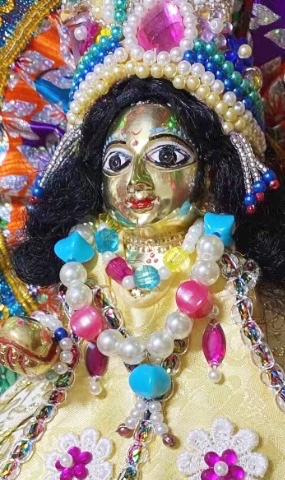
Naughty Krishna holding a piece of candy
淘气的奎师那拿着一块糖
One evening last June, I put down my Hare Krishna beads and logged on to the Internet. I held my breath as I saw news of a life-or-death drama unfolding on the high seas: five men locked in a small vessel lost somewhere underwater in the North Atlantic.
最近六⽉的⼀个晚上,我放下我的哈瑞奎师那念珠,登录了互联⽹。当我看到⼀则在公海上正在上演的⼀场⽣死⼤戏的新闻时,我屏住了呼吸:五个⼈被困在⼀艘⼩船⾥,在北⼤西洋的⽔下某处失踪了。
No time to waste. Their oxygen supply was dwindling.
没有时间可以浪费。他们的氧⽓供应正在减少。
A regular ship had towed the vessel, named the Titan, to a spot off the coast of Newfoundland, where it would descend to the ocean floor.
⼀艘普通船只将这艘名为泰坦号的潜⽔器拖到纽芬兰海岸的⼀个地⽅,在那⾥它将潜⼊海底。
Why? To view the wreck of the Titanic.
为什么?是要去看泰坦尼克号的残骸。
But towing the Titan, smaller than a submarine, across the rough waters of the Atlantic instead of carrying it on deck may have weakened the hull. But the mission would go ahead. And besides, the builder had ignored safety protocols anyway, for the sake of “innovative” construction. He even bragged about it.
但是拖着⽐潜艇还⼩的泰坦号穿过⼤西洋汹涌的⽔域,⽽不是把它放在甲板上,可能会削弱船体。但是任务会继续。此外,为了“创新”的构建,建造商已经忽略了安全协议。他甚⾄吹嘘这件事。
The ship’s crew bolted the five passengers—the pilot, a French Titanic expert, a British businessman, and a Pakistani father and son—into the Titan. They would have no means of escape in an emergency. And for a good reason.
船上的船员将五名乘客——驾驶员、⼀名法国泰坦尼克号专家、⼀名英国商⼈和⼀对巴基斯坦⽗⼦——锁进了泰坦号。在紧急情况下,他们没有逃⽣的途径。⽽且理由很充分。
Deep under the surface, the intense water pressure would crush to death anyone who managed to get out.
在深海⾥,强⼤的⽔压会压死任何设法逃出来的⼈。
The boat then dropped the Titan into the ocean. The descent would take a few hours. But after an hour and a half, the ship lost contact with the Titan. Had the electricity gone out? Then the pilot should have brought the craft to the surface. Why hadn’t he?
然后,这艘船将泰坦号丢进了⼤海。下潜需要⼏个⼩时。但是⼀个半⼩时后,潜⽔器与泰坦号失去了联系。停电了吗?那么驾驶员应该已经把潜⽔器带到⽔⾯上了。为什么没有?
A search-and-rescue operation began. Airplanes scoured the ocean’s surface. Sonar buoys listened for sounds of the vessel. Underwater robots searched the sea floor.
搜救⾏动开始了。飞机搜索海⾯。声纳浮标监听船只的声⾳。⽔下机器⼈搜索海底。
No clues until…
没有线索,直到…
An underwater robot found pieces of the Titan scattered on the ocean floor. The “innovative” hull had succumbed to the extreme water pressure of the ocean’s depths. And the vessel imploded, killing all five passengers.
⼀个⽔下机器⼈发现了散落在海底的泰坦号残骸。“创新”的船体已经屈服于海洋深处的极端⽔压。潜⽔器被压爆,五名乘客全部遇难。
Some experts suggest the passengers may have had forty-eight seconds of warning. That would mean forty-eight seconds of terror in the thick black darkness of the ocean depths.
⼀些专家认为,乘客可能得到了 48 秒的警告。那将意味着在海洋深处的⿊暗中的四⼗⼋秒的恐怖。
Now, I cannot stop wondering, What were their last thoughts? In the Bhagavad-Gita, Krishna tells us the importance of our final thoughts:
我不禁想知道,他们最后的想法是什么?在《博伽梵歌》中,奎师那告诉我们最后想法的重要性:
“Whatever state of being one remembers when he quits his body, O son of Kunti, that state he will attain without fail. (8.6)
⼈在离开现世的躯体时,⽆论想着哪样的情景,琨缇之⼦啊,在下⼀世,他必能到达那样的境界。(8.6)
Well, I’ll never know. But at least I know the importance of the final thought.
好吧,我永远也不会知道。但⾄少我知道最终想法的重要性。
The implosion would have taken just a few thousandths of a second, not even enough time for the brain to register any sensory impressions. They never knew what hit them. At least not until after they died.
内爆只需要万分之⼏秒,甚⾄不⾜以让⼤脑记录下任何感官印象。他们永远不知道是什么袭击了他们。起码在他们死亡之后。
They paid a lot of money for their underwater death. The French Titanic expert and the British businessman each paid $250,000, a quarter of a million dollars. The Pakistani paid half a million for the privilege of dying with his nineteen-year-old son.
他们为他们的⽔下死亡付了很多钱。法国泰坦尼克号专家和英国商⼈各⽀付了 25 万美元,即百万美元的四分之⼀。这个巴基斯坦⼈⽀付了 50 万美元来换取和他 19 岁的⼉⼦⼀起死去的特权。
And the pilot? As the CEO of SeaGate, the company that built the vessel, he paid with his life for his “innovations” and his disregard for safety. Well, everything has its price.
驾驶员呢?作为制造该船的海门公司的⾸席执⾏官,他为⾃⼰的“创新”和对安全的漠视付出了⽣命。任何东西都有它的代价。
Yes, they paid a lot to die. Well, as the old saying goes, you can’t pay your way into heaven.
是的,他们为死亡付出了很多。就像那句⽼话说的,你不能通过付钱去天堂。
But what if you could?
但是如果你可以呢?
What if money could help us attain heaven and even higher realms?
如果⾦钱可以帮助我们到达天堂甚⾄更⾼的境界呢?
Lord Krishna to the rescue!
主奎师那来拯救我们!
“One who is unattached to the fruits of his work and who works as he is obligated is [a renunciant], and he is the true mystic, not he who lights no fire and performs no duty. (Bhagavad-Gita 6.1)
“⼀个不执着于他的⼯作成果并履⾏他应尽义务的⼈是⼀个弃绝者,是真正的神秘主义者,⽽不是⼀个不⽣烟⽕、不尽职责的⼈。(《博伽梵歌》6.1)
Here Krishna reverses everything we have heard about spiritual renunciants and their quest to renounce the world. We think of them as ascetics living in caves or forests, spending all their time in sedentary meditation.
在这⾥,奎师那颠倒了我们所听到的关于灵性弃绝者和他们寻求放弃世界的⼀切。我们认为他们是住在洞⽳或森林⾥的苦⾏僧,所有的时间都花在静坐冥想上。
Arjuna had the same thought. He would avoid the war by living in the forest as a monk and beggar. By renunciation, in other words.
阿尔诸那也有同样的想法。他会以僧侣和乞丐的⾝份⽣活在森林⾥以躲避战争。换句话说,通过弃绝。
But Krishna says no.
但是奎师那说不。
In one sense, of course, Krishna does encourage Arjuna to take up a life of renunciation, but not in the way Arjuna thinks. Or the way we think too.
当然,从某种意义上来说,奎师那确实⿎励阿尔诸那过⼀种弃绝的⽣活,但不是以阿尔诸那所想的⽅式。或者我们认为的⽅式。
Fight, Krishna tells Arjuna. Work as you should but not to keep the fruits for yourself.
战⽃,奎师那告诉阿尔诸那。做你应该做的⼯作,但不要把成果留给⾃⼰。
Now most of us work to reap fruit in the form of money. And who will enjoy this fruit? Why, we ourselves, of course. Who else?
现在我们⼤多数⼈⼯作是为了收获⾦钱形式的果实。谁会喜欢这种果实呢?当然是我们⾃⼰。还能有谁?
The four tourists on the Titan were trying to enjoy the fruits of their work when they paid a total of a million dollars to see a shipwreck. And what did they get for it?
“泰坦”号上的四名游客在试图享受他们的⼯作成果时,⽀付了总共 100 万美元去看⼀艘沉船。他们得到了什么?
Did it improve their lives? Hardly. Did it improve their deaths? Hard to say, but it seems unlikely.
这改善了他们的⽣活吗?⼏乎没有。这改善了他们的死亡吗?很难说,但似乎不太可能。
Wait a second…
等⼀下…
Did I say, “improve their deaths”? How can death be improved?
我说了“改善他们的死亡”吗?死亡怎么改善?
Well, what does death mean if not transiting to a new body and a new realm? So improving death means a better body and a better destination.
如果没有过渡到⼀个新的⾝体和新的领域,死亡意味着什么?所以改善死亡意味着更好的⾝体和更好的⽬的地。
All right. But we’re talking about money. How does money fit in with a better death? It comes down to how you use the money during your lifetime. Let’s go back to the verse about renunciation:
好吧。但是我们谈的是钱。钱和⼀个更好的死亡有什么关系呢?这取决于你在有⽣之年如何使⽤这笔钱。让我们回到关于弃绝的诗节:
“One who is unattached to the fruits of his work and who works as he is obligated is [a renunciant], and he is the true mystic, not he who lights no fire and performs no duty. (Bhagavad-Gita 6.1)
“⼀个不执着于他的⼯作成果并履⾏他应尽义务的⼈是⼀个弃绝者,是真正的神秘主义者,⽽不是⼀个不⽣烟⽕、不尽职责的⼈。(《博伽梵歌》6.1)
Krishna recommends here that instead of using our money to visit shipwrecks, we should use it to broadcast spiritual knowledge for the benefit of all humanity. A simple idea.
奎师那在此建议,与其⽤我们的钱去参观沉船,不如⽤它来传播灵性知识,造福全⼈类。⼀个简单的想法。
Krishna’s followers, therefore use as much of their money as they can to publish books about Krishna, to put on public festivals showing the joy of Krishna Consciousness, and to open temples and centers.
因此,奎师那的追随者尽可能多地⽤他们的钱来出版关于奎师那的书籍,举办公开的节⽇来展⽰奎师那知觉的快乐,并开设庙宇和中⼼。
And what do they get for it? A free trip to the Titanic?
他们得到了什么?到泰坦尼克号的免费旅⾏吗?
This life of renunciation takes them to a better realm and a better body, ultimately to an eternal spiritual body in Krishna’s eternal abode.
这种弃绝的⽣活将他们带到⼀个更好的境界和⼀个更好的⾝体,最终到达奎师那永恒居所中的永恒灵性⾝体。
By dedicating their money—and with it their lives—to Krishna they assure themselves of the best thought at the time of death. Srila Prabhupada writes:
通过把他们的钱——以及他们的⽣活——奉献给奎师那,他们确保⾃⼰在死亡时有最好的想法。施瑞拉·帕布帕德写道:
“When a living entity is accustomed to think of a particular subject matter or become absorbed in a certain type of thought, he will think of that subject at the time of death. At the time of death, one will think of the subject that has occupied his life while he was awake, lightly sleeping or dreaming, or while he was deeply sleeping. (Srimad Bhagavatam 4.28.28)
⽣物⼀旦习惯于想某个特定的主题或全神贯注于某种思维中,就会在死亡时想到那主题。死亡时,⼈会想到他在醒着、浅睡、做梦、或深睡时,占据他⽣命的主题。(《圣典博伽⽡谭》4.28.28)
And Krishna says:
奎师那说:
“Whoever, at the end of his life, quits his body remembering Me alone at once attains My nature. Of this there is no doubt. (Bhagavad-Gita 8.5)
“在⽣命的终点,谁离开躯体时只记着我,就能⽴即到达我的本性。这是毫⽆疑问的。(《博伽梵歌》8.5)
Who can imagine, then, what the divers aboard the Titan could have attained if they had used that million dollars for Krishna?
那么,谁能想象,如果泰坦号上的潜⽔员将那⼀百万美元⽤在奎师那⾝上,他们会获得什么呢?
⁓Umapati Swami, August 1, 2023
~乌玛帕提·斯⽡⽶ 2023 年 8 ⽉ 1 ⽇
Eternally touching my head to the floor at the lotus feet of my spiritual master, Srila Prabhupada, for showing me all this.
永恒的顶拜我的灵性导师施瑞拉·帕布帕德,是他向我展⽰这⼀切。

(Note: The opinions expressed in this article are my own and do not necessarily reflect the opinions of any organization or any other person.)
(注:本文所表达的观点仅为我个人观点,并不一定反映任何组织或个人的观点)
Photo top: Naughty Krishna holding a piece of candy (Jishnu Das)
Write to me: hoswami@yahoo.com
© Umapati Swami 2023
Scriptural passages © Bhaktivedanta Book Trust
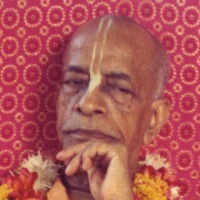
Srila Prabhupada
His Divine Grace A.C. Bhaktivedanta Swami Prabhupada is the teacher who brought Krishna Consciousness from India to the West and then to the rest of the world. He is the founder of the worldwide Hare Krishna Movement as well as the author and compiler of many works of Vedic knowledge. He left this world in 1977.
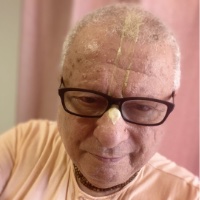
Umapati Swami
One of the first American devotees of the Hare Krishna Movement, he became Srila Prabhupada’s disciple in 1966. Since then, he has preached Krishna Consciousness in many countries and is the author of “My Days with Prabhupada,” available from Amazon. Now 86 years old, he has started this blog to share what he has learned.